|
First, the news:
Would you like to learn the famous Carillon by Leon Boellmann (1862-1897) from his 12 Pieces, Op. 16 (1891)? If so, save yourself many hours and check out my new PDF score (5 pages) with fingering and pedaling for efficient practice to achieve ideal legato articulation. 50 % discount is valid until November 1. Free for Total Organist students. And now let's go to the podcast for today. Vidas: Let’s start Episode 97 of #AskVidasAndAusra podcast. And today’s question was sent by Rivadavia, from Brazil. And she has a problem that she doesn’t have enough time to practice. So Ausra, what do you do when you don’t have time to practice? Ausra: Well, I try to find time to practice. But whatever you do, if you know that you have a performance coming up, prepare in advance. Vidas: Imagine you work at school from 8 o’clock until 6 o’clock--or at least 4 o’clock, right? And after school’s over, you’re very tired. But you know your recital’s coming up. Will you be able to practice that day? Ausra: Well, sometimes yes and sometimes no. Vidas: Do you beat yourself up when you don’t practice that day? Ausra: Actually no, because sometimes you just have to rest, in order to practice well the next day. Because if you are too tired to practice, then it will not be a good practice. Vidas: That’s right. Ausra: And if it’s not a good practice, then I think it’s better to not practice at all. Vidas: You don’t have this inner feeling of frustration with yourself, like “Oh, you skipped practice, you’re a bad person and you will go to hell!”? Ausar: Hahaha! Sometimes I do get that feeling, but not always. At least when I cannot practice because I’m just too tired, then no, I don’t have that feeling that I will go to hell. But if I don’t practice because I am too lazy that day, then yes. Vidas: For example, today--are you lazy or are you tired? Ausra: Well, actually I have a cold right now, so… Vidas: You’re sick? Ausra: Yes. Vidas: Me too. So our voices are not in the best condition today. But still we can give you some pointers and tips and advice on how to behave in this situation, when you feel you don’t have enough time. For the most part, Ausra, do people really not have enough time, or do they say they don’t have time? Ausra: Hmm, could be both ways. Vidas: Both, right. You see, when a person skips practice, he gives a reason, right? And the reason for everybody to know is that, for example, Rivadavia doesn’t have enough time to practice. But the real reason might be something else, right? Ausra: Yes, that’s true. Vidas: I’m not saying that it is like this, but it often happens that we keep our most private thoughts and reasonings and excuses to ourselves, right? And what happens is, we want to look good in front of other people; and we say we don’t have time. Ausra: That’s true. I remember one show that we had in Lithuania a few years ago. There was one person from the bank who would teach families actually how to save money. And what she would do is, she would come to the family, and at the end of the week, all members of the family must supply her with receipts and checks and all those things that they had spent money on. And then she would make sure if all those purchases were necessary. And she would teach people how to save money--how to not get unnecessary things, and…save! So that’s what I think would happen with each of our schedules: if we would write down what we’ve spent time on, I’m sure we would find unnecessary things that we do. Vidas: There is an app--or a few apps, now--online, where you can check your online activities, what you’re working on on your laptop or even on your phone. And when people say, “Oh, I’m just checking my Facebook for a second,” or just text or email, or look at a YouTube video for 3 minutes--what happens sometimes is that we don’t notice. We become so captivated by that activity, immersed, that we simply forget the passing of time. Ausra: That’s true. I think probably the worst time killer is a smartphone nowadays, with all its Facebooks and Twitters and all those internet sources. And of course TV too, for some people... Vidas: Mhmm, but I think online activities are getting more prominent. Ausra: ...Yes. Vidas: So you really have to be very strict with yourself, because only you can control yourself. No app can really change your habits, actually. It’s just a game with yourself, right? Ausra: Yes. Vidas: It’s a game. For some people it might be necessary to do this extraneous checking that you’re on the right task. But really what it comes down to is your inner motivation for each day--are you living fully each day, or are you not? Ausra: Yes. Vidas: With each moment, we have a choice, right Ausra? Ausra: That’s true. Vidas: For example, today: what we’re doing now, we could be doing with a thousand different things, right? But we chose to record this teaching video. Ausra: Yes. Vidas: Ausra, is it a wise choice? Ausra: I hope so! Vidas: Why? Ausra: I think it’s right to help somebody. Vidas: That’s right; we really hope our teachings can help you grow as an organist--and as a person, too, because it’s a total personality development, I think. So what you can do with the passing of time is to have a stricter look at yourself, with your activities first, right? Where your time goes. Ausra: Yes, that’s right. Vidas: What else, Ausra? Ausra: Well, I don’t know, there might be different possibilities how you could have extra practice time. Maybe get up half an hour earlier in the morning and do your practice, or do it during lunchtime. Vidas: Mhm. Those hours, or minutes, where nobody’s disturbing you with some tasks or activities, are very precious, right? Set some boundaries, because sometimes your coworkers will come up to you and ask you for something, or a friend might call you and ask for your attention. But if you turn off your phone at that time, or turn off notifications on your phone, then you’re free to do whatever you set out to do. And then you can focus for at least 15 minutes, and that’s good for starters, right? Ausra: Mhm. Vidas: If anything happens, you know that that day you already practiced and fully accomplished something of value for 15 minutes. Ausra: And of course, if you don’t have much time to practice, you must know in advance what you will be working on that day. Just pick 1 piece, or maybe even one spot--one page or half a page of that piece, and practice only that spot. Vidas: Right. Ausra, do you think that people should learn how to say “no”? Ausra: Yes, that’s true. Some of us just have too many activities. Vidas: Too many. Ausra: Yes. Vidas: Too many things to do... Ausra: Yes I know. Vidas: During the day. And not all of them are of equal value. Ausra: I know, I’m already panicking about my November schedule. Because I agreed to teach sort of a course, a seminar, for church organists, on harmonizing hymns. And then I have to play a joint recital together with you... Vidas: Mhm! Ausra: On November 18th. And then I also agreed to lead a concert, actually, as a musicologist, and to speak about keys--about different keys, and what they mean in music. Vidas: Interesting topic. Ausra: So yes, that’s a very interesting topic; but on top of that I have to teach twenty-seven hours each week, and to grade papers, and do all that stuff. So that will be a challenging thing to do. Vidas: Well, at least you know that these activities are worth your time, right? Those harmony courses for community organists. Ausra: Yes. Vidas: For church organists. It’s worth doing, probably. Ausra: Well, I hope so. Vidas: We hope so. What else? I think when you say “no” to something, you can earn the privilege to say “yes” to something that is of value to your goals, to your vision. And you have to have as strong vision for the future--what you want to accomplish in 3, 5, 10 years, as an organist, as a person. And each day, take those simple steps, and maybe get better at one particular area at least 1%; because it compounds over time. Ausra: That’s true. Vidas: Every day. So, this is our daily advice. And now of course, we will go to practice later in the day, because to give you advice and to not take that advice ourselves would be counterproductive. That would be lying to ourselves, right? Ausra: Yes. Vidas: So we will definitely practice for our upcoming recital today, too. And please send us more of your questions; we love helping you grow. And remember, when you practice… Ausra: Miracles happen. #AskVidasAndAusra 75: I don’t have enough free time to become good enough to play difficult passages9/23/2017
Vidas: Let’s start Episode 75 of #AskVidasAndAusra podcast. Today’s question was sent by Paul, and he writes that his challenge is that he doesn’t have enough free time to become good enough to play difficult passages. He writes, “However, on thinking about it a little more, it is the problem of coordination between two hands and feet, with all three playing something different. Yes! It is this problem of coordination between separate rhythms. Unfortunately, I only have one brain, probably with only one core, while an organist probably needs at least three cores.”
So, Ausra, that’s an analogy with computers, right? Ausra: Yes. Vidas: The more cores you have, the faster you can process information. But yes, we as humans have just limited amount of possibilities to process information at the same time. We cannot really multitask. We can focus on one single task at hand. What do you think about it? Ausra: Yes, that’s true, but you know what? I think that people nowadays want to have immediate gratification. They want to put in very little effort, or no effort at all, and to be able to play as J. S. Bach did. Everything takes time, and there are no ways how you can escape that, if you want to play really well, and you want to have well-coordinated voices; and to coordinate your hands and feet, you just have to practice more and to work on combinations. And I think we already have talked about it so many times. Vidas: And I think we will talk so many times in the future, because it’s so important, and we have to reinforce this concept. Ausra: Because there is no magic pill, no magic trick, that you would just do it like that, in a second. It’s a step-by-step approach; it’s diligent practice every day. Vidas: I think people in general have to lower their expectations of what they can achieve overnight, right? Ausra: Yes. If you cannot play the hard passages, don’t pick pieces that have such difficult passages. And if you chose one, then work on it: not playing from the beginning to the end, but take those hard passages and work on them. Work on different combinations--learn left hand first, then right hand second, and then pedal, and then work in different combinations. Vidas: And another thing to be careful about is, you have to (obviously) never underestimate what you can achieve over time, long-term. Keep lower expectations for your short-term progress; but if you calculate those countless hours you spent on the organ bench overcoming months, years (and even decades, for some people)--it will add up, right? Ausra: Yes. You just have to be patient. Vidas: Yeah, that’s the bane of the modern age--we’re not patient enough. We are constantly bombarded with new information, with temptation for instant gratification; and we have to resist that, right? If we want to achieve something worthwhile, there is pain involved. “No pain, no gain,” that is a famous saying. And people don’t want to suffer, actually, right, Ausra? Ausra: Yes! Vidas: We are built, we’re wired to avoid suffering. We flee from pain and seek pleasure, that’s our nature. And actually, learning something is against our nature, in this case. So we have to be absolutely, very firm in our beliefs, in what we want to achieve--and just simply stick with it no matter what. Ausra: Yes, and be honest and don’t try to cheat. Because maybe you can cheat other people, but you cannot cheat yourself. Vidas: Maybe you can cheat yourself once… Ausra: Yes… Vidas: But you will start to notice, if you cut corners too often, if you spend not quality time on the organ but just fooling around, so to say, it doesn’t lead you anywhere where you want to go in the future. And sooner or later, you are going to regret this time you spent on the organ. Not quality time, not focused time, not with intent. That’s what we can suggest to everybody, right? Ausra: Yes. Vidas: Excellent, Ausra. Is it easy for you to delay gratification for yourself, when you sit down on the organ bench? Do you have those urges yourself--do you want to achieve something very quickly, too? Ausra: Well, I think it’s in everybody’s nature; but you know, I’m not a chimp. I’m a human being, and I have reason, I have control of myself; so that’s what I’m trying to do. Vidas: What you’re saying is probably, your motivation is stronger than your pain, right? Ausra: Yes. Vidas: Your will to succeed is stronger than the fear of pain, which is involved in this process for everyone, right? If you want to achieve something, you have to persevere, and a certain amount of pain will definitely be there. And you have to be conscious of that fear, and don’t flee from that fear, because you have that inner motivation to succeed--in this case, on the organ. Ausra: Yes. That’s right. Vidas: Excellent, guys. I, too, have constant urges to be successful, let’s say, in fugal improvisation (it's an advanced stage for improvisation based on chorale tunes). It’s a very difficult sphere of creating music in the moment. And I want to do this like the masters did in the past (or some of them can do today, like my friend Sietze de Vries); and I want to play fantasies and fugues with triple counterpoint right away! It’s funny because that doesn’t happen! I have to stick with my schedule--with the method, with the system that I apply to myself, to my practice. Otherwise, it’s foolish to hope, right? Miracles happen only when I practice! Ausra: That’s true. Vidas: We keep saying that, but there is no other way around pain. Just go through it. Okay, guys, thank you so much for listening; thank you so much for sending us your questions. Please send us more of your questions, we love helping you grow. And apply our tips to practice; there are no shortcuts in this art. This was Vidas. Ausra: And Ausra. Vidas: And remember, when you practice… Ausra: Miracles happen. Francine Nguyen-Savaria on Independence of Voices, Performance Anxiety And Managing Time Constraints8/27/2017 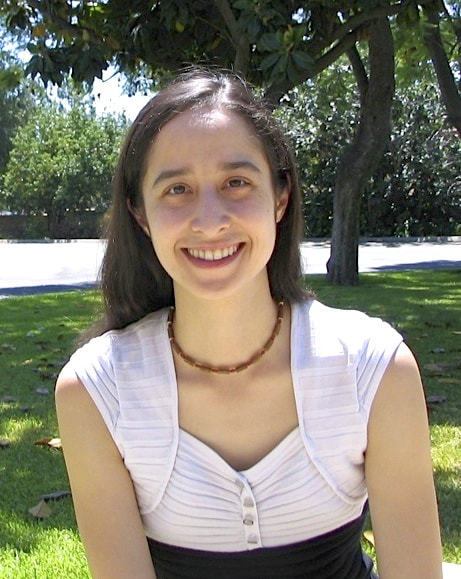 Welcome to Secrets of Organ Playing Podcast #109!
Today's guest is a Canadian organist Francine Nguyen-Savaria. She entered the piano class of the Conservatoire de musique de Montréal at the age of sixteen. Two years later, she entered the organ class, studying under Jean Le Buis. She graduated from the Conservatory in May 2011. Francine is the recipient of many prizes and scholarships, which have allowed her to participate in the Mount Royal College Organ Academy in Calgary, Canada, and in organ courses, studying with Jean Galard in Paris and Cherry Rhodes in Los Angeles. She completed her graduate studies at the University of Southern California in December 2013. Awards include the John Goss Memorial Scholarship from the Royal Canadian College of Organists and the Irene E. Robertson Music Scholarship from the USC Thornton School of Music. She recently performed the complete organ work of Johannes Brahms at the Calgary Organ Festival and Symposium. She also played with the Calgary Civic Symphony for the same festival. She has also given recitals at venues including the Saint Joseph Oratory in Montreal, the Cathedral of Our Lady of the Angels in Los Angeles, and the Cathedral Center of Saint Paul (Episcopal) in Los Angeles. Francine has been music director for Saint Ambrose Episcopal Church in Claremont, CA. She now lives with her husband in Belleville and they both serve as directors of music for Saint Thomas' Anglican Church. In this conversation, Francine shares her insights of how to overcome such challenges as dealing with independence of voices, performance anxiety and managing time constraints. Enjoy and share your comments below. And don't forget to help spread the word about the SOP Podcast by sharing it with your organist friends. And if you like it, please head over to iTunes and leave a rating and review. This helps to get this podcast in front of more organists who would find it helpful. Thanks for caring. Listen to the conversation Related Link: www.duopergulae.com 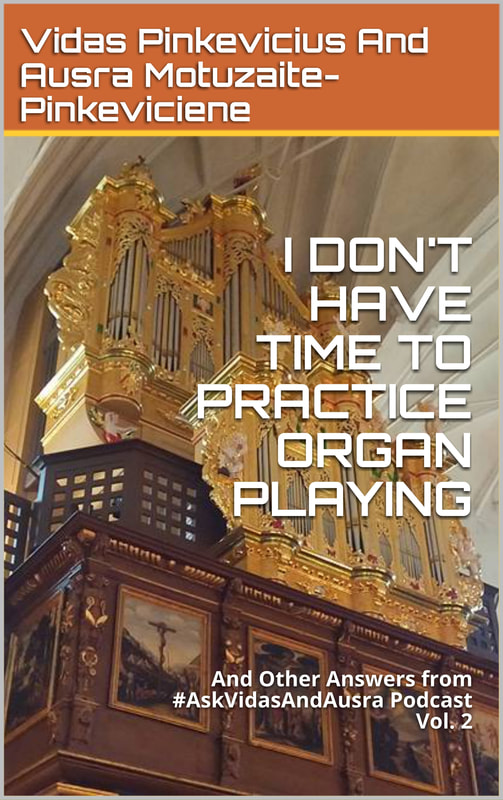 It's been a week since we released our 1st e-book "Is It Possible to Learn to Play the Organ When You Are 56 Years Old".
Here's what some people are saying about it: Gordon Mallitt This book could have been written with me in mind. I am 96 years old and I did start learning when 56 years old. I bought a 2nd.hand electronic organ, but could not afford lessons -so I am largely self taught. After a couple of years I was invited to try out on a large pipe organ and caught the 'bug.' Even with my very limited knowledge of music theory, I have benefitted immensely from Vidas' free organ course. Thank you Vidas & Ausra! I still play regularly for at least 3 meetings per month and enjoy every minute of it. Mike Scruggs I found this book easy to read and full of good advice and encouragement. Practicing pieces in fragments has been a way I can focus on getting results quickly since I have to fit practices into a busy schedule. I enjoyed the discussions on hymn playing and techniques as well. There is plenty of information for readers having any skill level. Thank you! And now we're very excited to announce that our 2nd e-book is finally ready! I Don't Have Time to Practice Organ Playing (And Other Answers from #AskVidasAndAusra Podcast) Right now it has a low introductory price of $2.99 until August 16. It's dedicated to all our students who don't have enough time in their days and still continue to practice. If you love reading the transcripts of our podcast, we hope you'll enjoy it. Let us know what you think and share this message with your friends or enemies. Thanks for caring, Vidas and Ausra
Vidas: We’re starting Episode 46 of #AskVidasAndAusra podcast. Today’s question was sent by Pat and he writes that he needs to follow our plan each day. And this is a difficult thing for him - sticking to the plan, sticking to the predesigned practice procedures that probably he thinks are helpful that we recommend.
So Ausra do you think that a lot of people struggle with this? They know some things that are useful for them but they just can’t really follow through with this plan. Ausra: I think it’s in human nature. We are not robots. We seek pleasure first and want to take responsibilities only after that. Vidas: Right. We simply make up a plan. Maybe it’s a good plan or somebody else devises this plan and recommends it to you and maybe you follow this plan for 3 days. And then what happens? Ausra: And then you just lose patience and that’s it. Vidas: Why do you think this happens after 3 days? Ausra: Well, I don’t know. What do you think about it? Vidas: It’s a tricky question, really. For everyone it’s different. As you say, we seek pleasure and after 3 days it’s not pleasure anymore. It’s work. Ausra: Definitely. Vidas: It’s a tricky situation that Pat and everyone else is facing but there is no other way probably - just developing this habit of constant practice. You have to stick to your simple practice procedures for a number of days, for a number of weeks. Talking about yourself, Ausra, what does it take for you to develop a habit? How many days of constant practice do you need? Ausra: Well, actually, I think what keeps me moving is a final deadline, a due date. Vidas: Do you love this word? Ausra: No, I hate it. I simply hate it. And during my studies, especially at Eastern Michigan University I just started to hate these words, “Due Date”. It sounded like a death sentence to me, all these due dates, papers, recitals and other stuff. Vidas: But due dates are actually the things that gets you moving, helps you accomplish something. Without the due date it’s like a constant holiday. Ausra: Oh, yes. And our studies there were so intense. I remember once I had a half an hour free time and I didn’t know what to do with it because simply my entire day was always planned. Vidas: That’s true about summers, right? Sometimes when we have vacations, we have a different type of schedule. We don’t have to go to school and work. Every day starting from 8 AM. And we make up a schedule as we go and sometimes the schedule at the summertime is not the best time. Ausra: Definitely. But you have to have leisure time. Just doing nothing. Vidas: “Don’t underestimate the value of doing nothing”. Do you know who said that? Ausra: No, but I’ve heard this sentence. It’s very famous. Vidas: I just looked it up. It appears to be by Winnie the Pooh. Ausra: Oh, he was a very smart bear. Vidas: Yeah, just sitting and relaxing. Maybe looking at nature, enjoying an evening, listening to birds sing. Connecting to a person you love. This is very valuable because then your right side of the brain actually develops ideas and sets you on the path of actually taking action later. You basically feel refreshed after that. Ausra: It’s like recharging a battery, I think. And going back to the question I think it would be very good to Pat and all of us to set up a goal what would you like to achieve. Maybe not a final goal but something like what do you want to achieve in a month or in two months? Vidas: In the foreseeable future? Ausra: Sure. It could help you stick to your plan. Vidas: Exactly, if you say, “I want to become the best organist in my country?”, for example, or in the world. Sometimes people send us messages like this. It’s silly. Ausra: Or in your house, if you have two. Vidas: Yeah, you just kill one and you’re the best. That’s easy. Ausra: Oh, thank you. Now I will be afraid of you. Vidas: Exactly. Or I will be afraid of you. It’s a silly goal. So audacious and so without limits. Like you want to conquer the world and be the best in the world. Basically you have to want something achievable. Maybe have a goal for 6 months or 1 year or maybe 5 years from now - what would you like to do? Ausra: Well, if you have a final goal, or some important goal, then you will know that playing everyday and sticking to your plan will help you to achieve your final goal. Vidas: And that would be the motivation for you to practice every day. So why do you think people fail at motivating themselves to stick to the plan? It’s not a rocket-science of what we’re talking about. It’s common sense. Why do you think this human nature forces us to stop doing what we love doing actually and do something else? Ausra: Maybe laziness? Vidas: What do you mean? Ausra: Well, maybe we are too lazy in our nature, I don’t know. But people who want for example to lose weight - some of them just stick their picture on the refrigerator door that they could see if they will keep eating what would happen to them. Vidas: Oh, naked picture? Ausra: Well, half-naked or naked, I don’t know. Vidas: It’s a reminder, yes? Ausra: Maybe you could do something similar to the organ? Vidas: Record yourself. With mistakes. Ausra: Maybe at the beginning you could record yourself and after a month later record again and compare it. Vidas: And this joy that you get from seeing little bit of progress every month will get you propelled forward. You will probably get endless motivation because now you’ll know what is possible to achieve in a month. Ausra: Yes. Vidas: And you’ll think what about 6 months from now or 12 months from now or 48 months from now. You could multiply. And it compounds. Because we progress slower at the beginning and it accumulates faster down the road. Ausra: That’s true. That’s like a snowball. Vidas: So guys, we wish you to become those snowballs in organ practice and then you have this endless motivation and endless energy. Because you want it so badly and you can achieve this little by little step by step every day. Ausra: Yes. Vidas: And send us more questions. We love helping you grow as an organist. And the best way to do this (if you haven’t done so already) is subscribing to our blog at www.organduo.lt and replying to our messages and you will also get this 10 day free organ playing mini course with video on how to master any organ composition. This will gets you rolling on the correct path of efficient organ practice. Thanks guys. This was Vidas... Ausra: ...and Ausra. Vidas: And remember, when you practice - Ausra: Miracles happen. PS Our first e-book "Is It Possible to Learn to Play the Organ When You Are 56 Years Old" is available here for a low introductory price of $2.99 until tomorrow, August 9. If you have already read it, we would appreciate if you left a rating and review.
Good news first:
We've installed Product Reviews app in our Shopify store. If you have purchased any products from us or practiced some training programs and scores through the Total Organist program, we would greatly appreciate you leaving a rating and an honest review. They would help decide future customers if this training is right for them or not. When you go to this page, either scroll down to the score or training that you have or enter the keyword in the "Search" bar above. Thanks for caring. And now let's jump in and get started with the question. Vidas: Let's start Episode 45 of #AskVidasAndAusra Podcast. And today's question was sent by Pat. He writes, that the thing that is holding him back from achieving his organ playing goal is basically time, finding time without interruptions the lack of which causes him to be discouraged by his inability to regain his skill. And he also writes that our lessons are what is giving him exactly what he needs. "Any extra help for a rusty student would be most appreciated. Thank you." So this means that our suggestion to part are helpful, right? Ausra: I hope so. Vidas: And this is good news to the people who are taking action and applying our tips in their practice and if we only talk about those intricate details and nobody pays attention and do those things in their practice, it's a waste of time. Ausra: Sure. And I think about finding practice time - this is a lifelong struggle for everybody. Vidas: I think what it comes down to is developing a habit, developing a small and good habit one at a time. Over a long period of time, finding time, making time. Do you agree with this, Ausra? Aura: Yes, I couldn't agree more. Vidas: Well, for example, regular practice is just like any other activity that we do every day, hopefully every day. And when you make the time every day, just a little bit, maybe 10 minutes, 15 minutes, 30 minutes or whatever you find in your day, it becomes easier and easier. Ausra: Definitely. And it should be a part of your routine, just like brushing your teeth or taking a shower or eating 3 times a day. So should your organ practice. Sometimes it might be a problem when you don't have an instrument at home. Then if you have to go somewhere to play to perform or practice, it might be an extra trouble. What do you think about it? Vidas: I agree with you, of course and also think it takes about 2 months or maybe a little bit more to develop a habit. I've read it takes 67 days to build any type of habit you want, good or bad habit. Definitely you want to build a good habit. Ausra: Well, definitely to build a bad habit takes a shorter time than a good habit. Vidas: So for Pat and everyone else listening and struggling with finding time it's good news because you only have to persevere for only 2 months or 67 days. And after that it's just downhill. Ausra: And I think that at the beginning you might practice for a shorter period of time, if it's hard for you to find time or you're too lazy to play for a long time. For example, start with 20 minutes or half an hour and later on you will add more time. Vidas: Exactly. It's like with exercising. Like with running, for example. Some people want to run a marathon. But you never start with marathon. You start with maybe 15 minutes or 10 minutes or maybe just walking around your block. And that would be enough for starters, don't you think? Ausra: And you also should find out what type of person you are, morning person or a night person. The best thing would be to practice when you are the most productive. Because some people are like owls - they can stay up very late at night and work and do things and some are only working in the mornings. Vidas: For example, I feel very much refreshed in the morning. I can practice starting from 8 AM and I can do a quality work until around maybe noon. With frequent breaks, of course. But these 4 hours every day is like my golden time. What about you, Ausra? Ausra: I would say, it's probably the same with me. But I can’t work very hard in the morning because it's difficult for me to get up very early. For example, 6 AM is a nightmare for me to get up but that's what I have to do. 7:30 AM is the best time for me to get up. Vidas: It's always light at 7:30 AM. Winter or summer and you feel refreshed. Ausra: But of course, if you have to work late hours, I realize that physical exercises help me a lot. Going to a gym or a swimming pool gives me extra energy and prolongs my day. Vidas: That's I think very good idea to advice for people to do some form of exercise every day in addition to your hobby or professional activity, like organ playing. Do some kind of physical activity that gets you sweaty, elevates your heart-beat. It doesn't have to last very long, does it, Ausra? Ausra: Sure, especially at the beginning. Vidas: Maybe 15 minutes or even if you like doing push-ups, do a set of push-ups to gets you exhausted and you’ll feel much better after that. But of course you have to warm up and cool down and do some stretching to not hurt yourself. Ausra: Sure, we don't want you to hurt yourself. Vidas: Great. Back to this question of finding time for organ playing. Pat is also struggling with time without interruptions. I can guess that family obligations or his job activities also tend to interrupt him. When he gets back from work, maybe he thinks that "Oh, I have lots of things to do." He faced lot of stressful situations over the day and these thoughts interrupt his quality practice. Ausra: Well, then just try to do your organ practice as some sort of meditation which would calm you down and you could relax during your practice. Don't make it another job, make it a pleasure. Vidas: What do you mean when you contrast a job and pleasure? How are they different? Ausra: Oh, they are very different. Vidas: Let's take organ playing, of course. How would you imagine work or job in terms of organ playing? Ausra: Well, when you do routine work. For example, you work in church when you have to play this service stuff, maybe hymns that you don't like all the time. And to play them over and over again. This might be a routine. And when you're learning new music - it's exciting. This could be like a pleasure. Vidas: You have responsibilities. Ausra: Sure. Vidas: And you don't necessarily love those responsibilities. Maybe you know you need to do them to fulfill your duties but they're not your sweet spot. Ausra: Sure. Vidas: And for pleasure, as organist you would love to do other things. Like what? Ausra: Maybe improvise or learn new music that is not so suitable for liturgy. Vidas: Good advice, I think. You have to alternate. If you are serious about your organ playing future and your goals, you definitely need to think about deadlines, maybe set yourself a deadline and learn a piece or two and perform in public. Ausra: Yes. Vidas: But that's a responsibility. And for the pleasure part, it would mean like Ausra says, to improvise a little, play what you definitely love. Maybe your favorite organ piece that helps you relax. Ausra: Yes and I hope these tips will help you to find time to practice and enjoy it. Vidas: And of course, guys, let us know how you apply those tips in practice this week. And send us more questions. And the best way to do this is by subscribing to our blog at www.organduo.lt (if you haven't done so) and simply replying to our messages. Wonderful. This was Vidas. Ausra: And Ausra. Vidas: And remember, when you practice - Ausra: Miracles happen. PS Our first e-book "Is It Possible to Learn to Play the Organ When You Are 56 Years Old" is available here for a low introductory price of $2.99 until August 9. If you have already read it, we would appreciate if you left a rating and review. 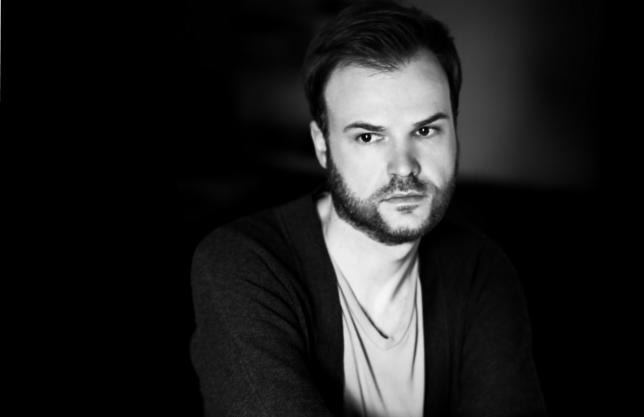 Welcome to Secrets of Organ Playing Podcast #104!
Today's guest is my friend and colleague Paulius Grigonis. Currently he is the main organist of St. Joseph church here in Vilnius, member of the Board of National Association of Organists in Lithuania and member of the European Chapter of American Guild of Organists. He started his musical journey in 1989 at Kaunas boys choir school "Varpelis" where he studied until 1997. In 2004 he graduated from Vilnius University with the Master of Law degree. In 2006 he began studying the organ with me privately and in 2007 became the organist at the Holy Cross church in Vilnius. In the summer of 2007 together with me and Ausra, Paulius founded National Association of Organists in Lithuania and was appointed vice-president of this organization. In 2008 he won the 3rd prize at the 2nd Jonas Žukas Organist Competition. In 2007-2010 Paulius led educational organ demonstrations "Meet the King of Instruments" in many Lithuanian churches, participated in masterclasses by Prof. Lorenzo Ghielmi (2013, Vilnius), Prof. Sophie-Véronique Cauchefer-Choplin (2014, Paris), Prof. Maris Sirmais (2015, Kaunas), and Juan Carlos Asensio (2016, Marijampolė) for organists and church musicians. Since 2014 Paulius leads the musical life at St. Joseph church in Vilnius and directs two vocal ensembles of the parish. Since 2017 he is the member of the Board of National Association of Organists in Lithuania and treasurer as well as the member of the European Chapter of American Guild of Organists and is preparing for his Service Playing Certificate test. In about 3 days, Paulius will play a recital at Vilnius Cathedral and in this conversation he shares his insights about his practice procedures and obstacles he has to overcome in order to become a better organist - finding time for practice, setting himself a challenge and discovering as many organs as he can. Enjoy and share your comments below. And don't forget to help spread the word about the SOP Podcast by sharing it with your organist friends. Thanks for caring. Listen to the conversation Relevant link: http://www.vargonai.lt/grigonis.htm
No time to practice
For swallow his loops but he Does it anyway.
Today's question was sent by Robert. He's struggling to find time for practice.
Listen to our full answer at #AskVidasAndAusra Please send us your questions. We love helping you grow. TRANSCRIPT: Vidas: Today is Part 29 of #Ask#VidasAndAusra podcast. Today's question was sent by Robert. His challenge in organ practice is really finding time. Like a lot of people, once you sit down on the organ bench, you can do a lot of things. But sitting down at the organ bench is the most difficult thing and the most challenging part is probably finding the time. Ausra how did you find time recently for practice? Is it easy for you or do you have to really dig deep into your schedule? Ausra: Well right now it's actually easy because I'm on vacation. I'm not teaching at school right now but in general yes it's very hard, while teaching full time and working at the university as an organist, leading Unda Maris organ studio and doing just the domestic stuff. So it's always very hard to find time but I think it's a common problem for many people. Vidas: You cannot really escape this. Ausra: Sure. We just know that that's how important for you it is. Vidas: How badly do you want to learn? Ausra: Yes. How bad you want to learn to play or to practice or to learn new stuff. I think if it's important for you, you will be able to find some time to practice. Maybe not a lot time every day but still you’ll sit down and play. Vidas: Ausra, when you schedule and you decide on a public performance of some sort, solo or together with me, is it easier for you then to force yourself to find time? Ausra: Sure, of course, because I have a deadline waiting. It's like a sword hanging over my head and know then I have to practice anyway. Vidas: It's a public accountability, right? Ausra: Sure. Vidas: People depend on you. Even just one person you don't want to let him down, right? Ausra: Sure. Vidas: And your listeners, your fans also will be waiting and probably planning already to come to your recital. If you're not practicing, you're letting them down too. Ausra: Sure. Of course, when you practice and then you find time to practice, make your practices as efficient as you can. That's another thing that can save you time and compensate the lack of practice time. Vidas: Do you think most people could find at least 15 to 30 minutes a day to practice? Ausra: I'm sure they could. Vidas: Because we waste time with our phone, with social media, right? Ausra: TV. Vidas: Sometimes people don't even watch TV they just look at the screen nowadays. YouTube, right? Ausra: Yes. Vidas: That's a big thing. During those idle moments you could really practice. Even if you're not at the instrument itself, you can practice at the table, right? Ausra: Sure. Vidas: It still counts. It still is organ practice if you are getting closer to your goals. Ausra: Yes, and if you are thinking about music which you will be performing, singing in your head adds a lot too. I remember when studying at The Academy of Music I would have to go by public transportation for at least half an hour to 40 minutes so I would just keep singing in my mind, going through my organ music. Vidas: When commuting. Ausra: Yes, it would help actually. Vidas: Yeah. What we do with our time when we sit and wait in line, for example, at the supermarket. Or what we do in our mind when we sit on the bus or the train when we commute. When we don't have to do something really with our hands or mental activity, then we can really jump in and start mental practice. Ausra: Sure. Vidas: Mm-hmm (affirmative). That's sometimes all it takes, right? But probably the most important takeaway is probably finding this public accountability, right? Ausra: Sure. Vidas: If you're just practicing for yourself, chances are that you will not stick with it. You have to stick with organ playing at least for 67 days in order to form a habit. That's a scientifically proven number of days. After that it becomes a little bit easier each day if you stick with it for 67 days. But it's a still long period of time, right Ausra? Ausra: Yes it is. Vidas: Some people can prepare for recital in 67 days, right? Ausra: Yeah definitely. Vidas: Right. That's the most critical part of your plan to stick for 67 days. The best way is to really announce that you are going to play in public. I'm not saying you have to play entire recital, right? Maybe just one piece for church service. Ausra: Yes. Vidas: That would be great for starters. Even if you are not a church organist, maybe you have friends who are, right? And announce to them, "Hey I want to come to your church in a couple of months and play this piece for communion or postlude." Ausra: Definitely. Vidas: If they are your friends, they will definitely let you and you will have, of course, public accountability this way. And you will force yourself to find time. Ausra: Sure. Vidas: Okay do we have some trainings that we could offer to people that would be helpful about finding time? Ausra: I think so. I think we did that course about finding time to practice. Vidas: Right. It's really very comprehensive. We sat down and recorded and brainstormed all the ideas. Not like in 7 or 10 minutes like today but for a long time we sat down and gave examples from our life and other things how we really manage to find time and more ideas than today. So if you are struggling with this I think this course, Finding Practice Time, would be- Ausra: Helpful. Vidas: Yeah people say that. Right now, of course, you can take advantage of 30 day free trial of Total Organist and of course you would be free of to take Finding Practice Time together with any other courses that you would like during that time. So go ahead and check this out at www.organduo.lt/total-organist. Okay this was Vidas. Ausra: And Ausra. Vidas: And remember, when you practice - Ausra: Miracles happen.  By Vidas Pinkevicius (get free updates of new posts here)
I'm writing this in between of graduation ceremony marathons at Vilnius University which are starting today. I usually get asked to play a Processional and student's anthem "Gaudeamus Igitur". Sometimes a postlude, too. Anyway, I wanted to share that Lorelei where among the people who didn't hesitate on the free trial of Total Organist but she got stuck on accessing her training materials and login in to her account. Lorelei sent a message to me asking for help which I did. Here's what she wrote afterwards: Dear Vidas, It’s working now. Thank you so much for your prompt help. How do you do it????!!!!! 1) You always answer promptly. 2) you make wonderful videos, 3) you give hundreds of concerts, 4) etc. etc. Are YOU human????? As you see, I’m giving learning organ another go. Hopefully, I will stick with it longer this time. Have a great weekend, Lorelei I wrote, of course, I'm human. The only thing I do differently from a lot of people is I don't hesitate. I jump in on the idea right away. Sometimes it's a failure, sometimes - success. I don't mind mistakes. The more the better. They mean we're doing something that matters. No, I'm not a robot and I'm not glued to the computer screen all day. I do all kinds of fun and not-so-fun things too - going to the gym, practicing, drawing, taking long walks, going to the movies etc. Yes, Ausra and I love movies. But I don't watch TV, don't surf social media and don't go to meetings. This alone saves me at least 4 hours every day to do all this creative stuff. If you've ever watched 7 minutes of video on YouTube, you've already wasted more time than I did in the last 5 years. OK, gotta run now to the organ bench. I think I'll have another Gaudeamus Igitur round soon. PS Never hesitate. Act first. Apologize later. 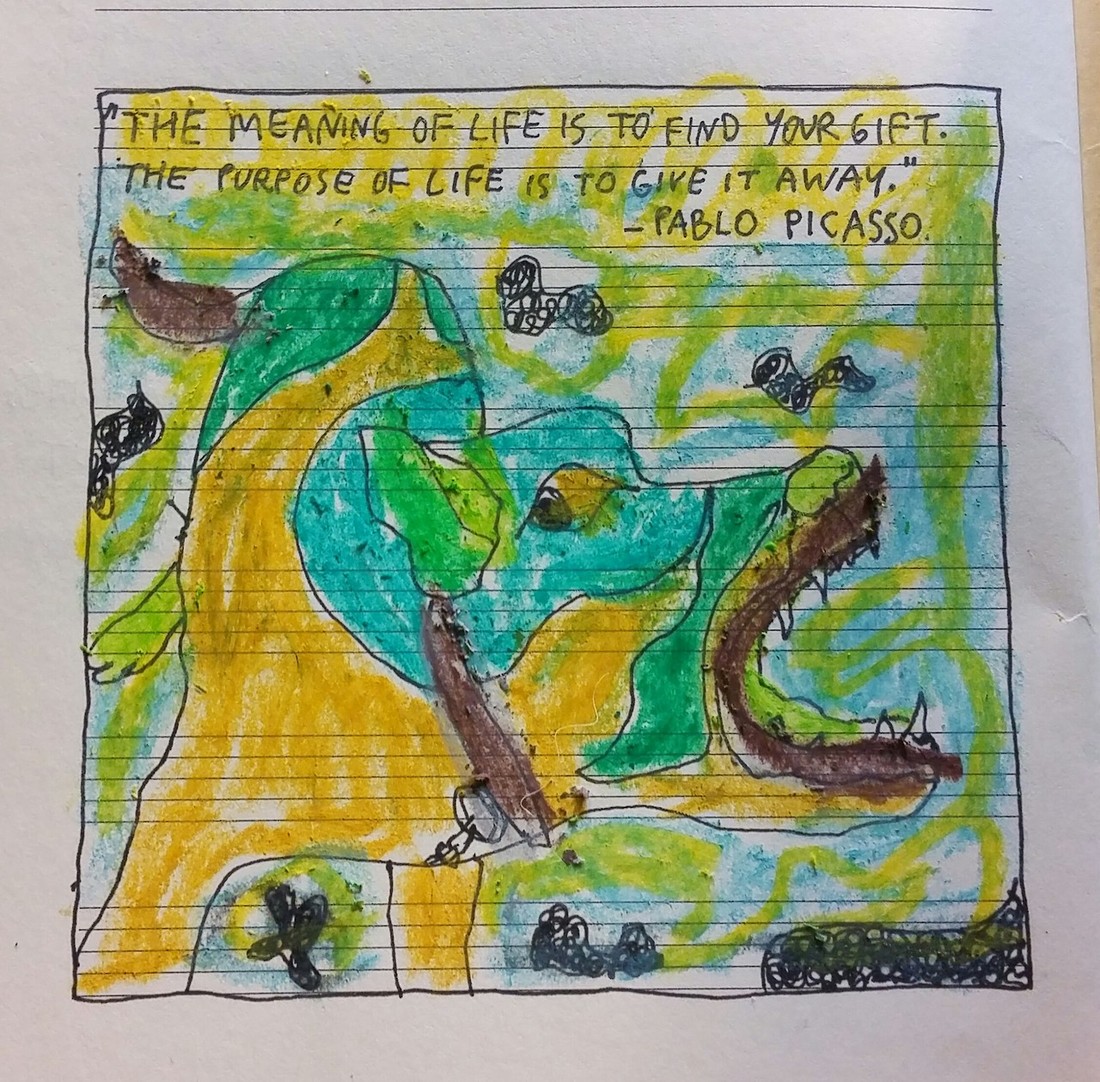 By Ausra Motuzaite-Pinkeviciene (get free updates of new posts here)
We can only find the time when the pain which goes into our day spent without organ playing is greater than the pain inflicted by the sacrifices we make to find time for organ practice. It's sad but it's true. It's the only way I know of. |
 DON'T MISS A THING! FREE UPDATES BY EMAIL.
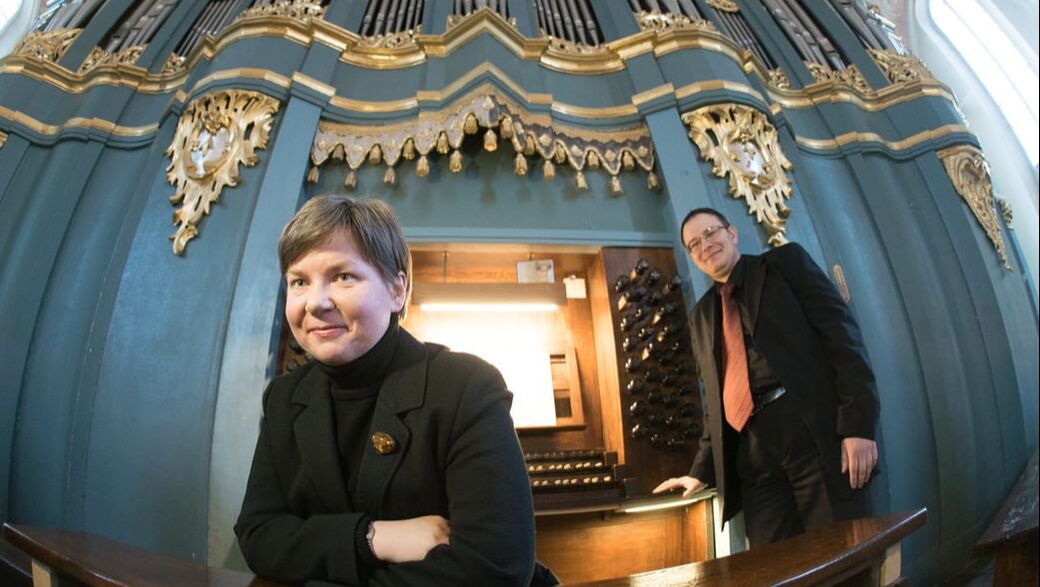 Photo by Edgaras Kurauskas Authors
Drs. Vidas Pinkevicius and Ausra Motuzaite-Pinkeviciene Organists of Vilnius University , creators of Secrets of Organ Playing. 
Our Hauptwerk Setup:
Don't have an organ at home? No problem - print out our paper organ manuals and pedals and start practicing today!
Categories
All
Archives
August 2026
|

 RSS Feed